
Commodities play a fundamental role in shaping the global economy. From the energy sources that fuel industries to the agricultural products that sustain populations, commodities form the bedrock of international trade. In this article, we explore the world of commodities in-depth—examining their types, characteristics, and the various factors that influence their pricing. We will also look into how individuals and businesses navigate the complexities of commodity markets to achieve financial success.
What Are Commodities?
Commodities are raw materials or primary agricultural products that can be bought and sold, typically in large quantities. These goods are usually standardized, meaning that the product from one producer is considered equivalent to that of another producer. Commodities are often traded on specialized exchanges and are critical for industries worldwide, from manufacturing and agriculture to energy and technology.
Commodities can generally be divided into two broad categories:
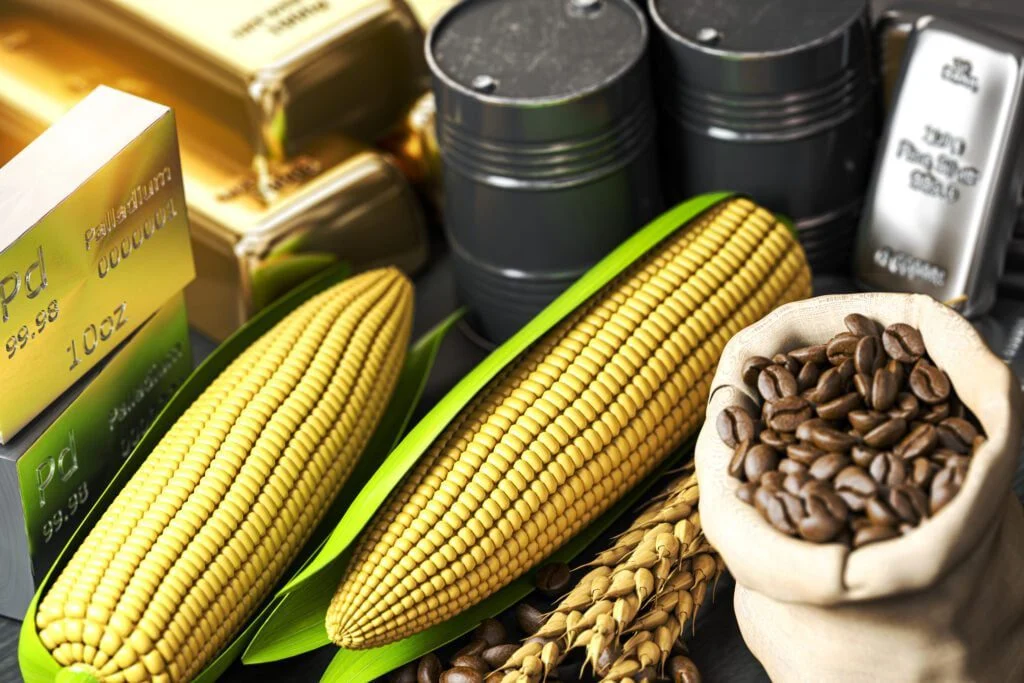
- Hard Commodities: These are natural resources that are extracted or mined, such as oil, gold, and metals like copper and aluminum.
- Soft Commodities: These include agricultural products that are grown, such as wheat, cotton, coffee, and livestock.
Key Characteristics of Commodities
Commodities share certain key characteristics that differentiate them from other types of products:
1. Standardization
One of the defining features of commodities is their standardization. The quality of a commodity is generally consistent, meaning that it is interchangeable across different suppliers. For example, one barrel of crude oil is generally regarded as equivalent to another barrel of crude oil, regardless of the source.
2. Global Demand
Commodities have global demand, meaning they are essential to economies around the world. Oil is a prime example—it powers industries and transportation systems worldwide. Similarly, agricultural commodities like wheat and corn are critical for feeding global populations.
3. Price Fluctuations
Commodities tend to experience price volatility, driven by factors such as supply and demand, geopolitical events, weather patterns, and economic growth. A drought in a major agricultural region, for instance, can cause the price of crops like wheat or corn to spike.
4. Raw Material Nature
Commodities are usually raw materials that serve as the building blocks for finished products. For example, crude oil is refined into gasoline and diesel, while copper is used to produce electrical wiring. This characteristic ties commodities closely to the global supply chains that support various industries.
The Types of Commodities
Commodities are typically grouped into two major categories: hard and soft. Let’s explore the differences between them and look at some specific examples.
1. Hard Commodities
Hard commodities are extracted from the Earth. They include metals, energy sources, and minerals that are vital for industrial processes and technological advancements.
- Energy Commodities: This includes crude oil, natural gas, and coal. Energy commodities are essential for the functioning of industries, transportation, and households. Oil, for instance, is a cornerstone of the global economy, influencing everything from the price of gasoline to the cost of manufacturing.
- Precious Metals: Gold, silver, platinum, and other precious metals have historically been valuable as stores of wealth and used in manufacturing. Gold is also a safe haven investment during times of economic uncertainty.
- Industrial Metals: These include copper, aluminum, zinc, and nickel. These metals are widely used in construction, electronics, and manufacturing. For example, copper is essential in electrical wiring, and aluminum is used in aircraft and automobile production.
2. Soft Commodities
Soft commodities, on the other hand, are agricultural products or livestock that are grown rather than mined.
- Agricultural Commodities: These include grains like wheat, corn, and rice, as well as fruits and vegetables such as soybeans and coffee beans. These products are staples in the global food supply chain.
- Livestock: Cattle, hogs, and poultry are examples of soft commodities in the livestock category. These animals are raised for meat production and other products like leather and wool.
- Soft Commodities (Other): This category also includes products like cotton and rubber. These materials are essential in industries ranging from textiles to automotive manufacturing.
How Are Commodities Traded?
Commodities are traded in markets through exchanges, where buyers and sellers come together to negotiate prices. The two most significant types of commodity markets are:
1. Physical Commodity Markets
In physical commodity markets, the actual commodities are bought and sold for immediate delivery. These markets are less common but remain critical in industries such as agriculture and energy.
2. Futures Markets
The most common way commodities are traded is through futures contracts. A futures contract is an agreement between two parties to buy or sell a commodity at a future date for a price agreed upon today. These contracts are standardized and traded on futures exchanges such as the Chicago Mercantile Exchange (CME) or the Intercontinental Exchange (ICE). Futures markets provide price discovery and help manage the risks associated with commodity price fluctuations.
Futures contracts are widely used by producers, speculators, and investors to hedge against price volatility or take advantage of price movements.
Factors Influencing Commodity Prices
Commodity prices are influenced by a wide range of factors. Understanding these variables is crucial for anyone involved in commodity trading, whether they are producers, investors, or consumers. The main factors that impact commodity prices include:
1. Supply and Demand
The most fundamental driver of commodity prices is supply and demand. When demand exceeds supply, prices rise, and when supply exceeds demand, prices fall. For example, during periods of economic growth, industrial demand for metals like copper can drive prices higher.
2. Geopolitical Events
Political instability, conflicts, and international trade agreements can have a significant impact on commodity prices. For instance, tensions in the Middle East often lead to higher oil prices due to concerns over supply disruptions. Similarly, trade tariffs or sanctions can affect the availability and price of commodities like soybeans or steel.
3. Weather and Natural Disasters
Weather events, such as droughts, floods, and hurricanes, can disrupt the production of agricultural commodities, causing price spikes. For example, a drought in Brazil can reduce coffee production, causing global prices to increase.
4. Currency Fluctuations
Since commodities are priced in U.S. dollars, fluctuations in the value of the dollar can affect the cost of commodities. A stronger dollar can make commodities more expensive for foreign buyers, leading to reduced demand and lower prices.
5. Interest Rates
Changes in interest rates can influence commodity prices by affecting investment flows and the cost of financing. When interest rates rise, investors may shift funds from commodities to higher-yielding assets, causing prices to fall.
6. Technological Advancements
Technological innovations can improve the efficiency of commodity production and reduce costs. For instance, advances in fracking technology have led to an increase in oil production, driving down prices.
How to Invest in Commodities
There are several ways to invest in commodities, each with its own risks and rewards. Here are some of the most popular methods:
1. Direct Investment in Commodities
Investors can purchase physical commodities, such as gold bars or barrels of oil. This method requires significant capital investment and involves storage and security costs.
2. Commodity ETFs and Mutual Funds
Exchange-traded funds (ETFs) and mutual funds provide a way to invest in commodities without having to physically own the assets. These funds track the performance of a commodity index or directly invest in commodity futures contracts.
3. Commodity Futures Contracts
Futures contracts allow investors to speculate on the price movements of commodities. This method involves buying and selling contracts based on the future price of a commodity. It requires knowledge of the markets and can be highly risky.
4. Commodity Stocks
Investing in companies that produce commodities is another indirect way to gain exposure to commodity markets. For example, investing in oil companies or mining firms can provide exposure to the price movements of oil or metals.
Frequently Asked Questions (FAQ)
What is the difference between hard and soft commodities?
Hard commodities are natural resources that are mined or extracted, such as oil and metals. Soft commodities, on the other hand, are agricultural products or livestock that are grown, such as wheat, coffee, and cattle.
How do commodity futures work?
Commodity futures are contracts that allow investors to buy or sell a commodity at a predetermined price at a future date. These contracts are used for speculation or to hedge against price fluctuations.
Why do commodity prices fluctuate?
Commodity prices fluctuate due to various factors, including supply and demand imbalances, geopolitical events, weather conditions, currency fluctuations, and technological changes.
Can individuals invest in commodities?
Yes, individuals can invest in commodities through physical purchases, commodity ETFs, futures contracts, or commodity stocks. However, investing in commodities can be risky and requires knowledge of the markets.
How do geopolitical events affect commodity prices?
Geopolitical events such as conflicts, trade agreements, or political instability can disrupt the supply of commodities, causing price fluctuations. For example, tensions in oil-producing regions can lead to higher oil prices.
What role do weather conditions play in commodity markets?
Weather conditions, such as droughts, floods, and hurricanes, can significantly affect the production of agricultural commodities, leading to price fluctuations. For instance, a drought in a major coffee-growing region can cause global coffee prices to rise.
Conclusion
Commodities are essential components of the global economy, serving as the foundation for industries ranging from energy and manufacturing to agriculture and technology. Understanding the types of commodities, how they are traded, and the factors that influence their prices is critical for anyone looking to engage in the commodity markets. Whether you are an investor, a producer, or a consumer, knowing how commodities function and impact the economy is essential for making informed financial decisions.